CNCF LFX Mentorship logo

Mentorship in Open Source — Part 2: The Mentee Playbook

Last time I wrote about why I keep saying yes to open-source mentorship. This post is the how: specifically, how to be a mentee in 2026. I’ve spent the last few years on the mentor side of CNCF LFX LFX Mentorship — the Linux Foundation’s structured mentorship program. Cohorts run quarterly, projects are scoped to ~12 weeks, and mentees receive a stipend. , Google Summer of Code ( GSoC A Google-funded program where students contribute to open-source projects over the summer, paired with mentors from those projects. ), and GoBridge, through Thanos, Prometheus, and now OpenTelemetry projects. Every cohort I’ve run, the same questions keep coming up from people who want to apply but don’t know how to start. ...

May 29, 2026 · 13 min · 2579 words · Kemal Akkoyun

Why I Keep Mentoring in Open Source

There’s a moment that keeps happening to me. Someone I mentored two or three years ago shows up in a SIG call, on a maintainers’ list, on a stage at KubeCon. They’ve shipped something I couldn’t have shipped alone. They’re answering questions I once answered for them. And the part that gets me: they’re already mentoring someone else. That moment is the thing. why why It’s also the only honest answer to “why do you keep doing this when it’s not your job?” The loop closes, and you get to watch. ↩ Everything else I write here is a footnote to that moment. ...

May 22, 2026 · 5 min · 943 words · Kemal Akkoyun
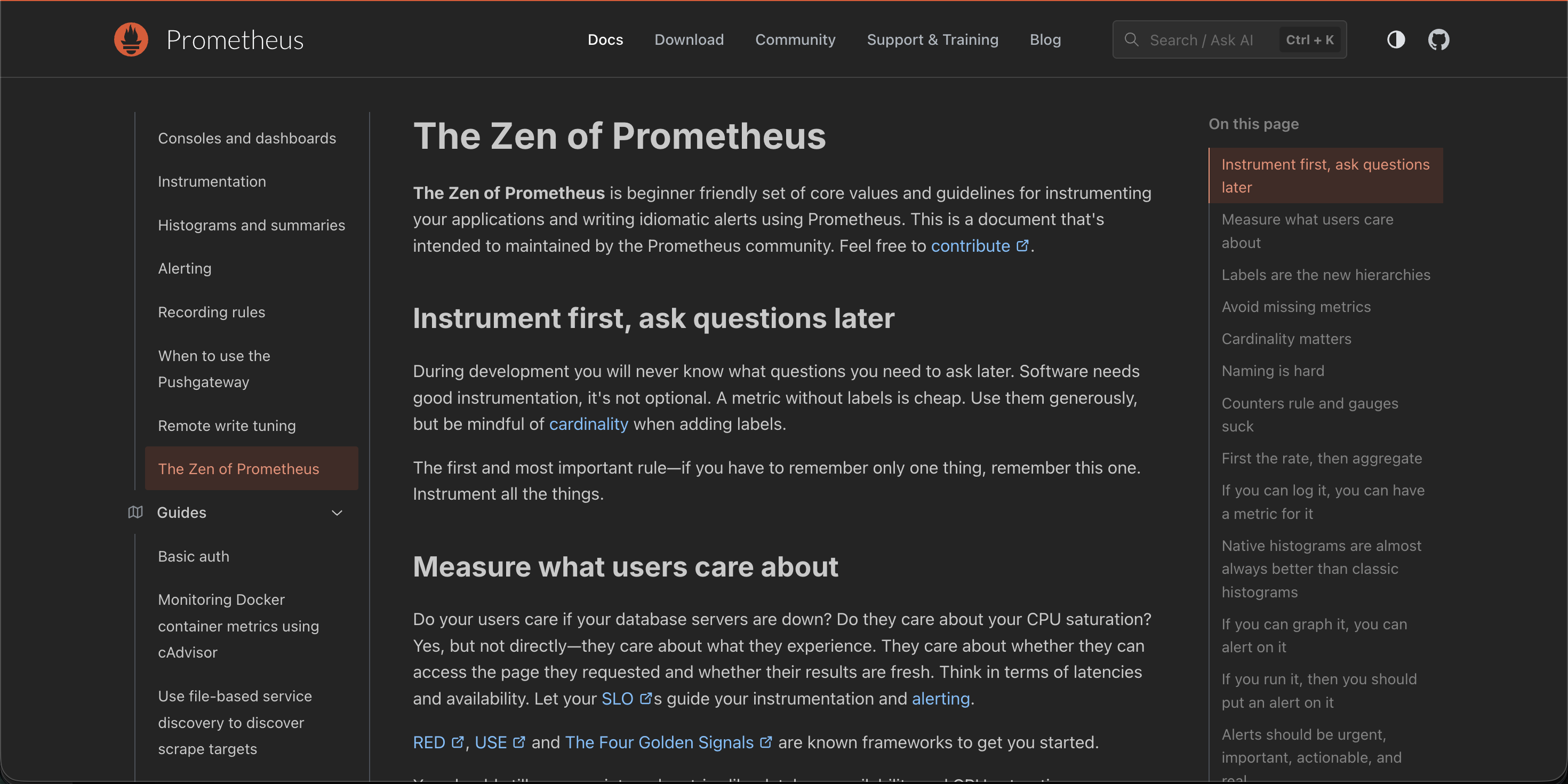
The Zen of Prometheus, now part of the official Prometheus documentation

From talk to docs: The Zen of Prometheus

Every now and then a project surprises you by remembering something you said years ago. This week was one of those weeks. A talk I gave at PromCon Online 2020 — The Zen of Prometheus — has quietly become part of the official Prometheus documentation. I am still sitting with it. Where it started The talk was born in the strangest year of my career. PromCon 2020 was online, like everything else. I was a few years deep into running Prometheus in anger, collecting scars from instrumenting services that didn’t want to be instrumented and writing alerts that kept me up at night for the wrong reasons. I wanted a way to package those lessons that wasn’t another forty-slide deck of bullet points. ...

May 15, 2026 · 4 min · 700 words · Kemal Akkoyun
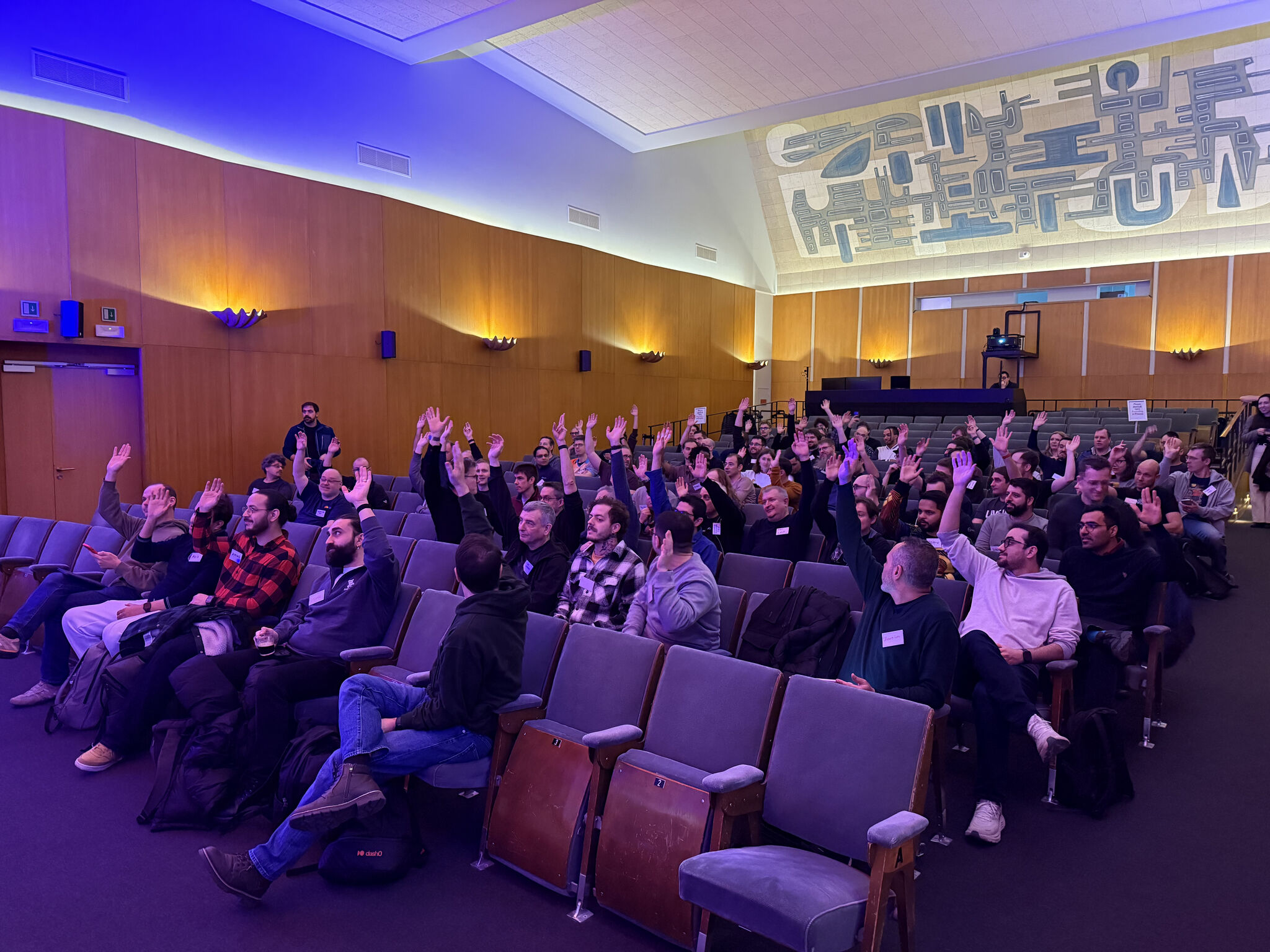
OTel Unplugged EU 2026 — crowd voting on sessions

OTel Unplugged EU 2026: Field Notes from the Instrumentation Frontier

Brussels Again, But Make It Unplugged The day after FOSDEM, about a hundred of us gathered at Sparks Meeting on Rue Ravenstein in Brussels for OTel Unplugged EU 2026 — an unconference dedicated entirely to OpenTelemetry. Purple stage lights, a mid-century auditorium with wood paneling, and the familiar buzz of people who spend their days thinking about telemetry pipelines. If you know, you know. The format is simple: no prepared talks, no slides. Morning session brainstorming, dot-voting on topics, then self-organizing into nine rooms across four breakout slots. You vote with your feet. If a conversation isn’t working, you move. It’s chaotic, it’s honest, and it produces the kind of discussions that polished conference talks rarely achieve. ...

February 20, 2026 · 10 min · 2114 words · Kemal Akkoyun
eBPF Devroom at FOSDEM 2026

FOSDEM 2026: Even Bigger, Even Better

Another Year, Another FOSDEM FOSDEM — the annual Brussels pilgrimage. If you’ve been, you know the drill: too many talks, too little time, questionable coffee, and the kind of conversations that only happen when you pack thousands of open-source developers into a university campus in the dead of winter. This year was different for me, though. Two talks in two devrooms, three sessions at OTel Unplugged — and this time, I brought the whole family. My wife and our toddler (who has graduated from “can barely walk” to “can absolutely destroy a hotel room in under four minutes”) came along, and we turned it into a proper trip — FOSDEM, then a few days exploring Ghent and Antwerp before heading home. ...

February 13, 2026 · 7 min · 1472 words · Kemal Akkoyun